Conventional Testing

Conventional NDT Services include traditional non-destructive testing methods used to inspect materials, welds, and industrial components without causing damage. These reliable and widely used inspection techniques help detect surface and internal defects while ensuring safety, quality, and compliance with industry standards.

our

Feature Icon

Radiography Testing

Advanced X-ray and Gamma ray inspection method used to detect internal defects in materials and welded joints. Info: Widely used for inspecting pipelines, welds, castings, and industrial components without damaging them.

Feature Icon

Radiography Testing

Advanced X-ray and Gamma ray inspection method used to detect internal defects in materials and welded joints. Info: Widely used for inspecting pipelines, welds, castings, and industrial components without damaging them.

Feature Icon

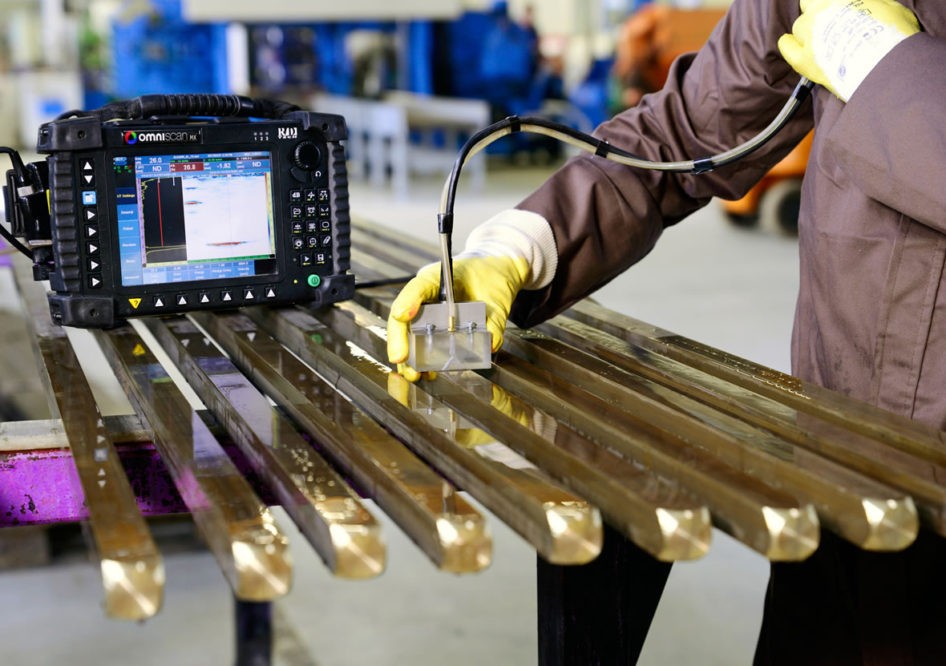
Ultrasonic Testing

Non-destructive testing method using high-frequency sound waves to identify internal flaws and thickness variations. Info: Ideal for inspecting weld joints, pipes, plates, and heavy industrial equipment.

Feature Icon

Ultrasonic Testing

Non-destructive testing method using high-frequency sound waves to identify internal flaws and thickness variations. Info: Ideal for inspecting weld joints, pipes, plates, and heavy industrial equipment.

Feature Icon

Magnetic Particle Testing

Inspection technique used to detect surface and near-surface defects in ferromagnetic materials. Info: Commonly used for welds, shafts, machinery parts, and fabricated structures.

Feature Icon

Magnetic Particle Testing

Inspection technique used to detect surface and near-surface defects in ferromagnetic materials. Info: Commonly used for welds, shafts, machinery parts, and fabricated structures.

Feature Icon

Liquid Penetrant Testing

Surface inspection method using penetrant liquids to reveal visible cracks and defects. Info: Suitable for non-porous metals, plastics, ceramics, and industrial components.

Feature Icon

Liquid Penetrant Testing

Surface inspection method using penetrant liquids to reveal visible cracks and defects. Info: Suitable for non-porous metals, plastics, ceramics, and industrial components.